Behind India’s vast apparel and home textiles industry is a workforce that often travels hundreds of kilometers in search of employment. For many workers, this journey begins in one part of the country and ends in an unfamiliar manufacturing hub, where the promise of work can also come with uncertain recruitment processes, limited social protection and difficult working conditions.
To examine these realities, The Analysis partnered with Nomi Network, with support from the Walmart Foundation, for an eight-month research study on forced labour risks in India’s apparel and home textiles sector.


The research went beyond looking at forced labour as an issue confined to the workplace. It explored the pathways, systemic drivers and lived experiences that can shape workers’ vulnerability from internal migration and recruitment to working conditions and access to social protection.
Designed as an exploratory, mixed-methods study, the research engaged 413 participants across eight states. While workers’ experiences remained at the heart of the research, conversations with 50 stakeholders brought wider sector insights and policy perspectives, helping connect everyday realities with the systems and structures shaping the sector.
With women forming a significant part of the workforce engaged in the research, the study explored how gender shapes migration, recruitment, workplace experiences and access to protections. It brought attention to concerns ranging from gender discrimination and sexual harassment to childcare responsibilities, maternity protection and the particular vulnerabilities experienced by women working from home.

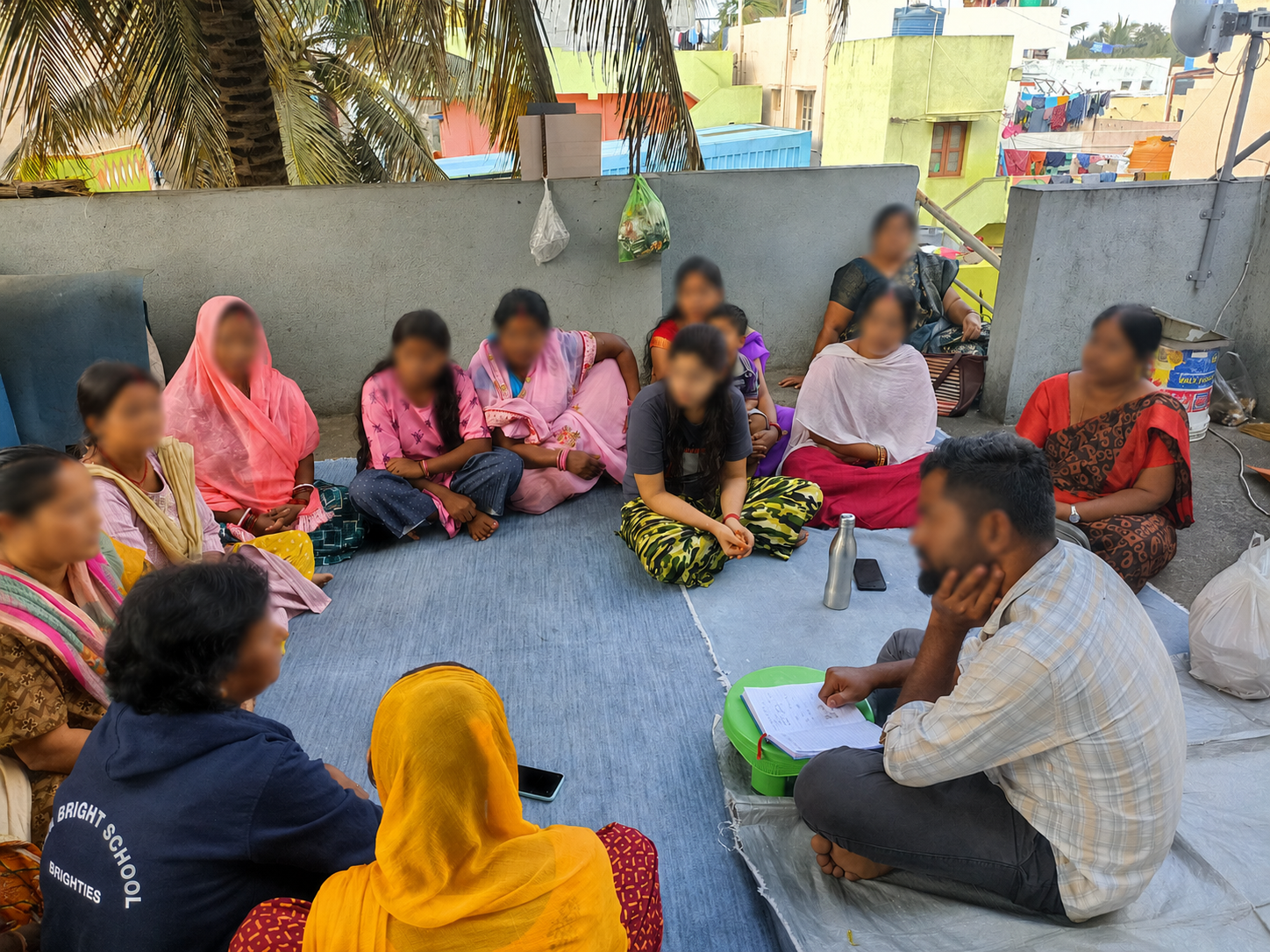
Given the sensitive nature of conversations around exploitation, trafficking and harmful working conditions, the research was also informed by a trauma-informed approach, placing dignity, sensitivity and participant well-being at the centre of this research engagement.
The study also brought another increasingly important issue into the labour conversation: climate change and extreme heat. Workers described how rising temperatures are affecting their health, productivity, incomes and ability to work safely. The findings particularly highlighted the vulnerability of home-based workers and workers without adequate workplace protections, reinforcing that extreme heat is no longer simply an environmental concern, but also a question of labour rights, livelihoods and worker well-being.

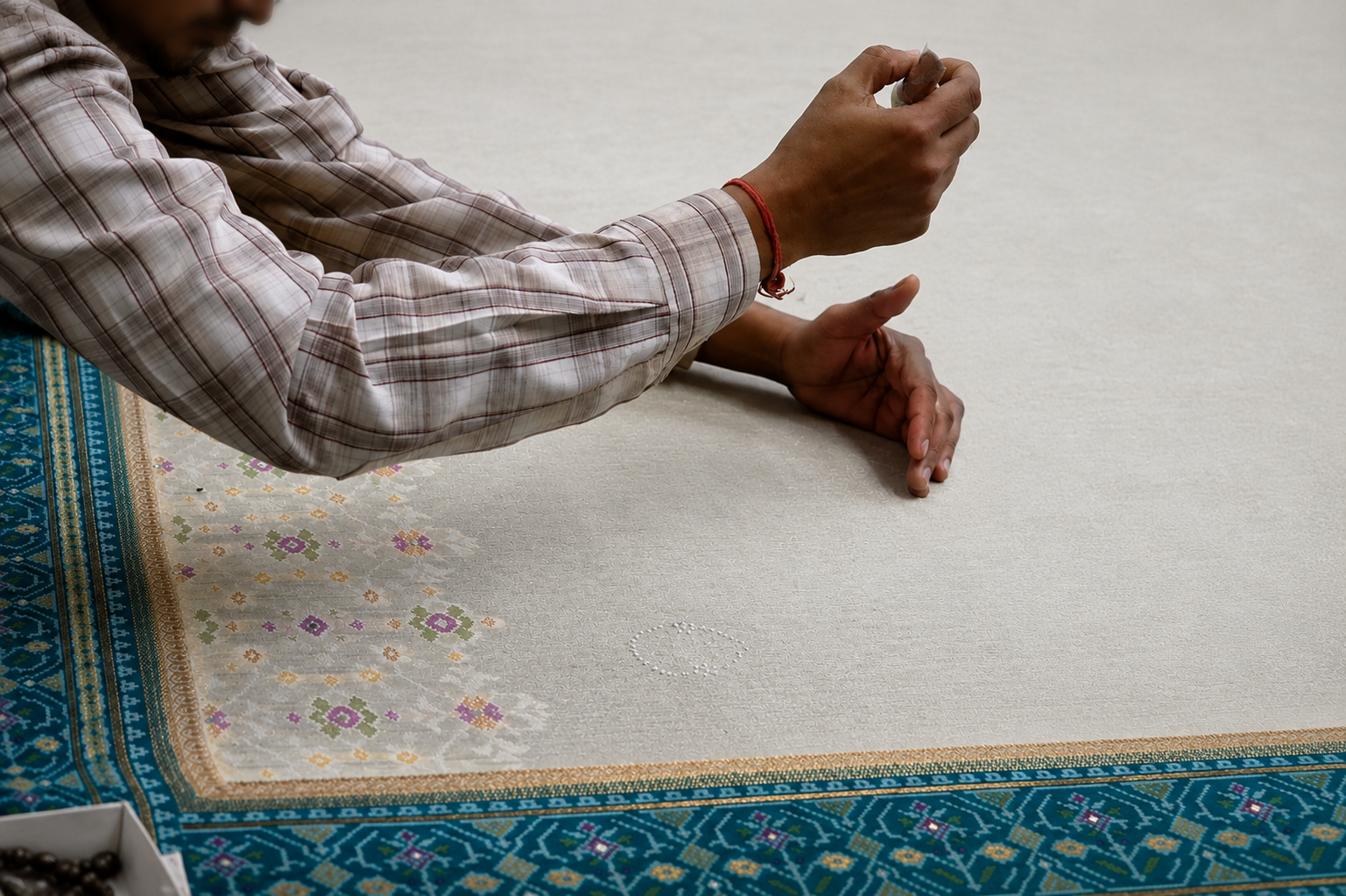
By bringing together worker voices, field observations, sector expertise and policy perspectives, the research builds a richer understanding of where risks emerge and what can be done about them. Its findings point towards stronger social protection, safer migration and recruitment systems, gender-responsive policies, improved occupational safety and more climate-resilient workplaces.
At its core, the study makes the people and journeys visible behind India’s textile supply chains and contributes evidence towards a future where employment is not only available, but safe, fair, resilient and dignified.