A Research Study exploring how migration, recruitment, gender, climate change and working conditions shape forced labour risks and workers vulnerabilities across India’s apparel and home textiles sector.



The Analysis, in collaboration with the US-based Nomi Network and with support from the Walmart Foundation, conducted an exploratory mixed-methods study to understand how forced labour risks develop across India’s apparel and home textiles sector.
The research looked beyond the workplace to examine how various stages in the supply chain, like migration, recruitment, contracting, working conditions and access to social protections, shape workers' vulnerability. It engaged 413 participants across eight states, including 50 stakeholders, connecting workers' lived experiences with wider sector and policy perspectives.
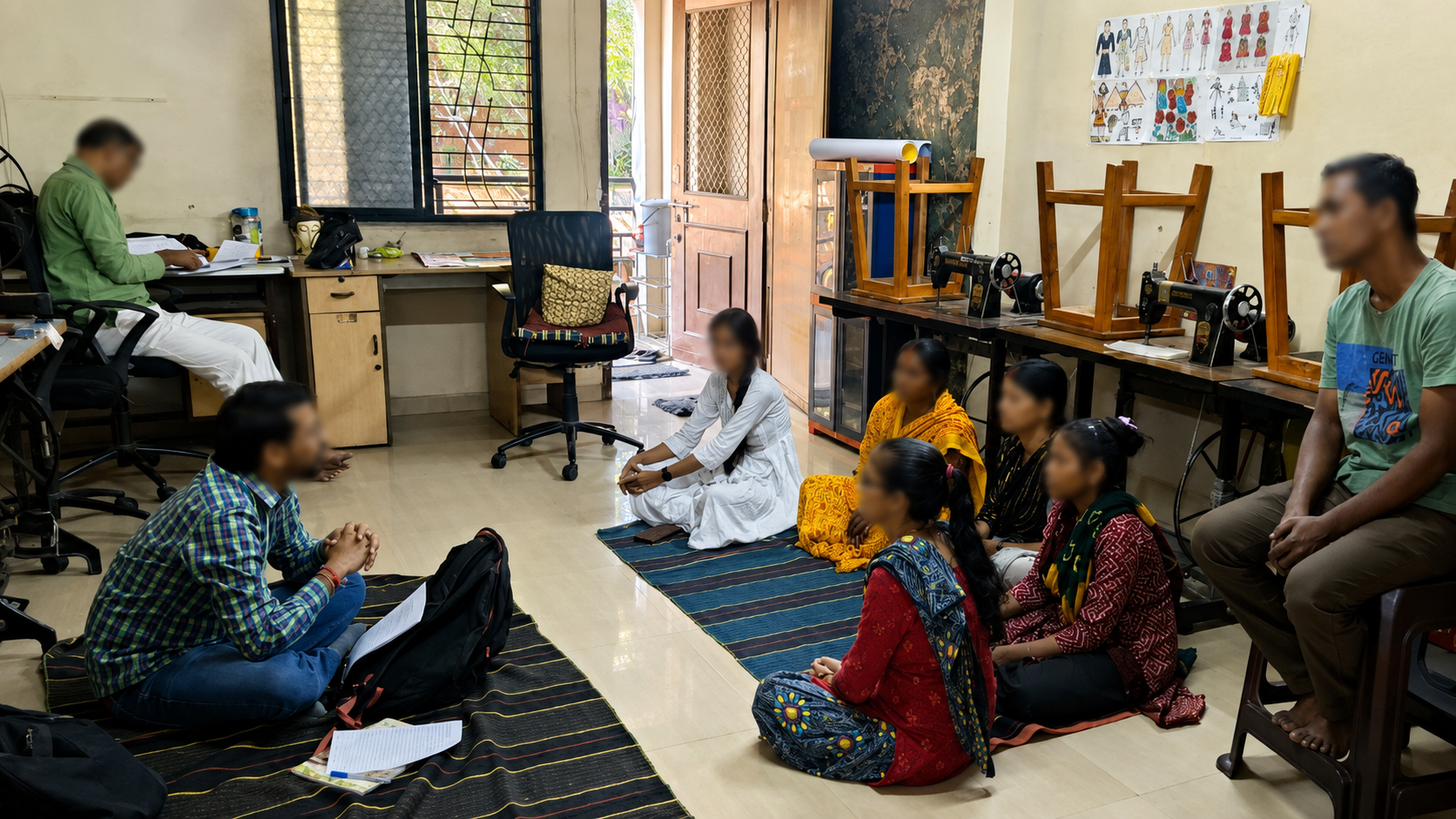
The research deeply examined the connection between climate change, livelihoods and labour vulnerability. Erratic rainfall, droughts, floods and crop failures can reduce rural incomes and push workers towards cities in search of employment and a better life.
Extreme heat emerged as another significant concern. Every home-based worker interviewed reported experiencing heat stress, along with the large majority of factory workers. Workers reported fatigue, dehydration, headaches, lost working time, boils and rashes, with poor ventilation and congested spaces further increasing heat exposure and also impacting their incomes.
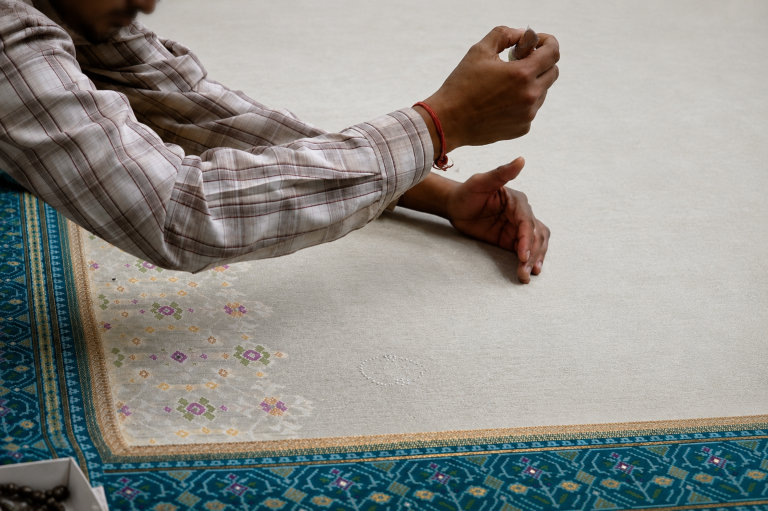

Image: The Analysis
With women forming a significant part of the workforce in the textile sector, gender became the central lens of the research. The study examined how gender shapes workers’ experiences from migration and recruitment to employment, safety and access to social protection. Women’s pathways into work differed from men's. While men often built labour networks to find employment, women’s movement was more closely linked to family ties and marriage, affecting their access to opportunities and ability to make independent decisions.
Women in factories were more likely to be concentrated in lower-paid, repetitive work, with fewer opportunities. The study also found reports of women being paid less than men for comparable work. In contrast, those working from home had limited access to written agreements, information about their rights, and grievance mechanisms.
Sexual harassment emerged as a major concern. Women also continued to carry unpaid care responsibilities alongside paid work, further affecting their choices and ability to leave insecure employment.
The findings show that gender shapes not only the work women do, but also their access to information, bargaining power, safety and ability to seek support.


Image: The Analysis
The study resulted in a high-quality, evidence-based research report, bringing together worker experiences, stakeholder perspectives, case studies, and evidence from across the sector. The report is expected to shape future work on labour, migration, recruitment, climate change, and safe workplaces. It carries immense value in strengthening worker rights and advocacy, while also providing insights into how brands, employers, and other stakeholders can create safer, fairer, and more sustainable supply chains.
Given the sensitive nature of conversations around exploitation, trafficking, harassment and harmful working conditions, the research was conducted using a trauma-informed approach, placing dignity, confidentiality, sensitivity and participant well-being at the centre of the research engagement.