An analytical report translating NFHS-5 data into accessible visual insights to highlight development disparities and inform evidence-based decision-making across Madhya Pradesh.
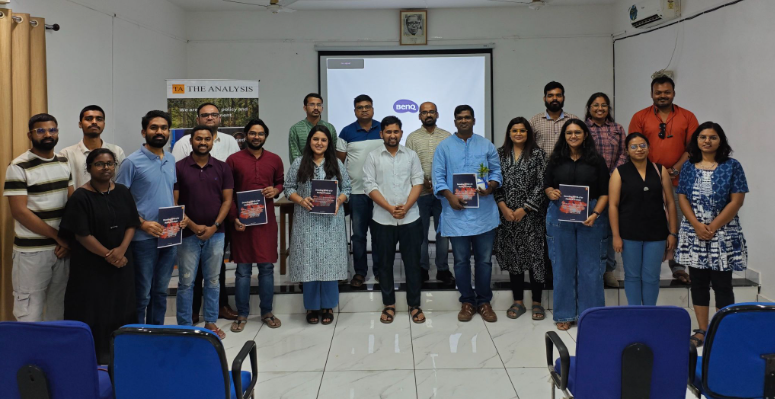

The Analysis (TA) analysed National Family Health Survey-5 (NFHS-5) data for Madhya Pradesh and developed a visual booklet translating complex health and social data into accessible insights. Covering five critical development indicators: alcohol consumption, women’s education, family planning, gender-based violence and malnutrition.
The resource examines district-level patterns and disparities across the state. The booklet is designed for policymakers, development professionals and researchers, using visualisations and concise narrative explanations to make survey findings easier to understand and apply.
The resource supports stakeholders in identifying priority areas and using evidence to inform more targeted programmes and policy decisions in Madhya Pradesh.
The Analysis (TA) undertook an initiative to analyse NFHS-5 data for Madhya Pradesh and develop a comprehensive yet accessible knowledge resource for policymakers, development professionals and researchers. The project focused on translating technical survey findings into visual narratives and concise insights that could help identify priority areas, understand geographic and demographic disparities, and inform more targeted interventions across the state.
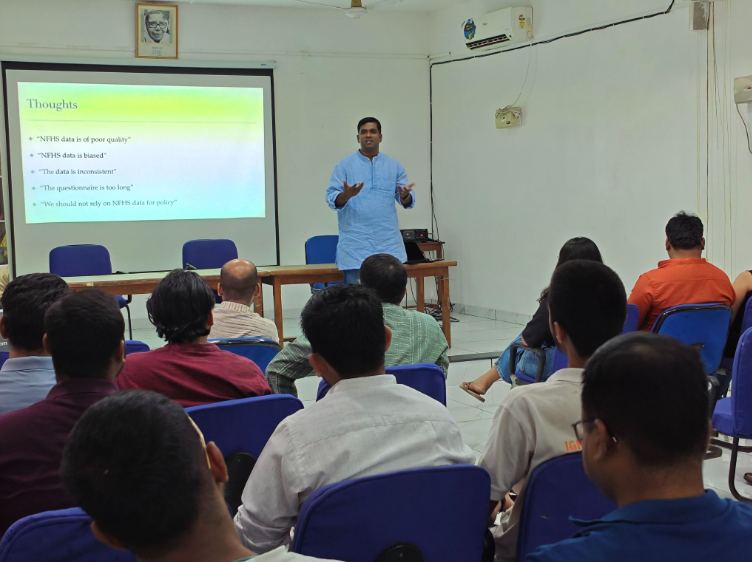
A key focus of the project was to make complex technical survey data accessible to non-technical audiences. Rather than presenting the findings solely through statistical tables, the booklet uses visualisations and clear narrative explanations to communicate the findings and their context.
The analysis also highlights how social determinants and policy implementation shape health and development outcomes, particularly in rural and tribal areas of Madhya Pradesh.


Image: The Analysis
The booklet examines patterns in alcohol consumption, women’s education gaps, family planning disparities, gender-based violence trends and malnutrition prevalence across districts. By presenting these findings visually, the analysis highlights geographic and demographic differences and enables readers to compare outcomes across the state.
This helps identify areas where development challenges are more pronounced and where targeted interventions may be needed.
The resource is intended to support government agencies, development organisations and researchers working in or planning interventions in Madhya Pradesh. By bringing together findings across five critical development indicators, it makes NFHS-5 data easier to understand and use.
The project resulted in a visual resource translating NFHS-5 data into accessible insights for Madhya Pradesh policymakers and development professionals. The booklet examines five critical development indicators across districts, supporting a clearer understanding of disparities and informing evidence-based programme design and targeted interventions.