In the development sector, we often treat research as a neutral exercise. We collect data, document realities, and aim to inform policy. But the more we engage with communities on the ground, the more it becomes clear that research is not neutral. It has consequences.
Across India, researchers, consultants, and organisations regularly engage with communities living through poverty, migration, violence, and precarity. We ask people to share their experiences, often deeply personal and difficult ones, so that we can understand issues better.
But over time, something else has started to happen.
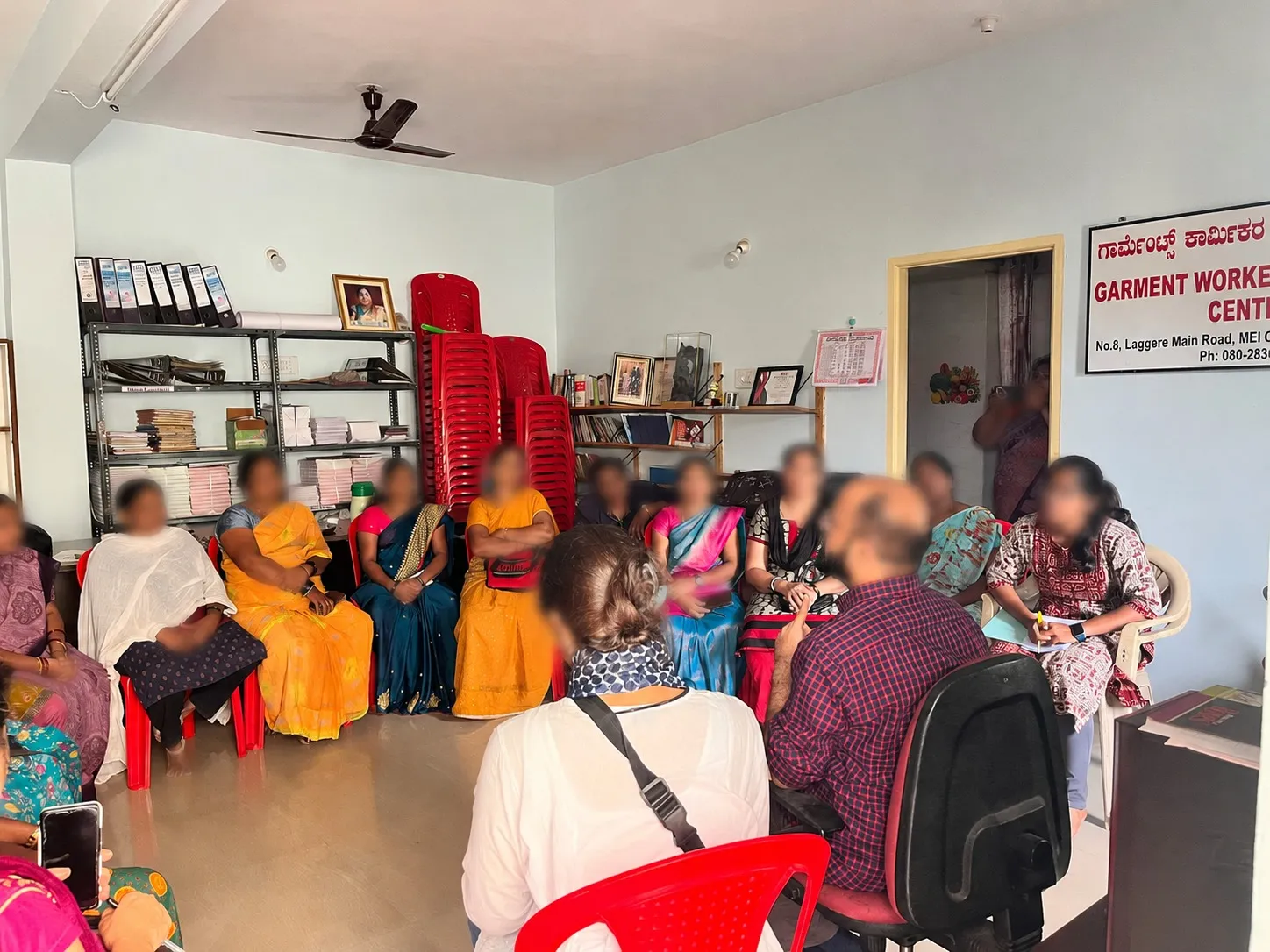
Many of these same communities are approached again and again by different researchers, across sectors and regions, to speak about the same problems. These are problems that often remain unresolved despite years of documentation. This has led to a growing sense of research fatigue. In some cases, even distrust. People are tired of telling their stories without seeing change. Some are beginning to disengage.
And yet, we rarely stop to ask a basic question: what does it mean for someone to repeatedly relive difficult experiences just so we can produce data?
This question becomes even more important in contexts like India, where research often intersects with deep inequalities and limited access to support systems. Here, engaging with communities is not just a methodological task. It is an ethical responsibility.
This became very real for us recently.
As part of our ongoing work, our team underwent a trauma-informed training with US-based Nomi Network and trauma specialist Stephanie Bratnik.
This was linked to a research study we are conducting with migrant workers, largely women, working in India’s textile sector, where conditions continue to be highly exploitative.
The training forced us to pause and reflect on our own approach.
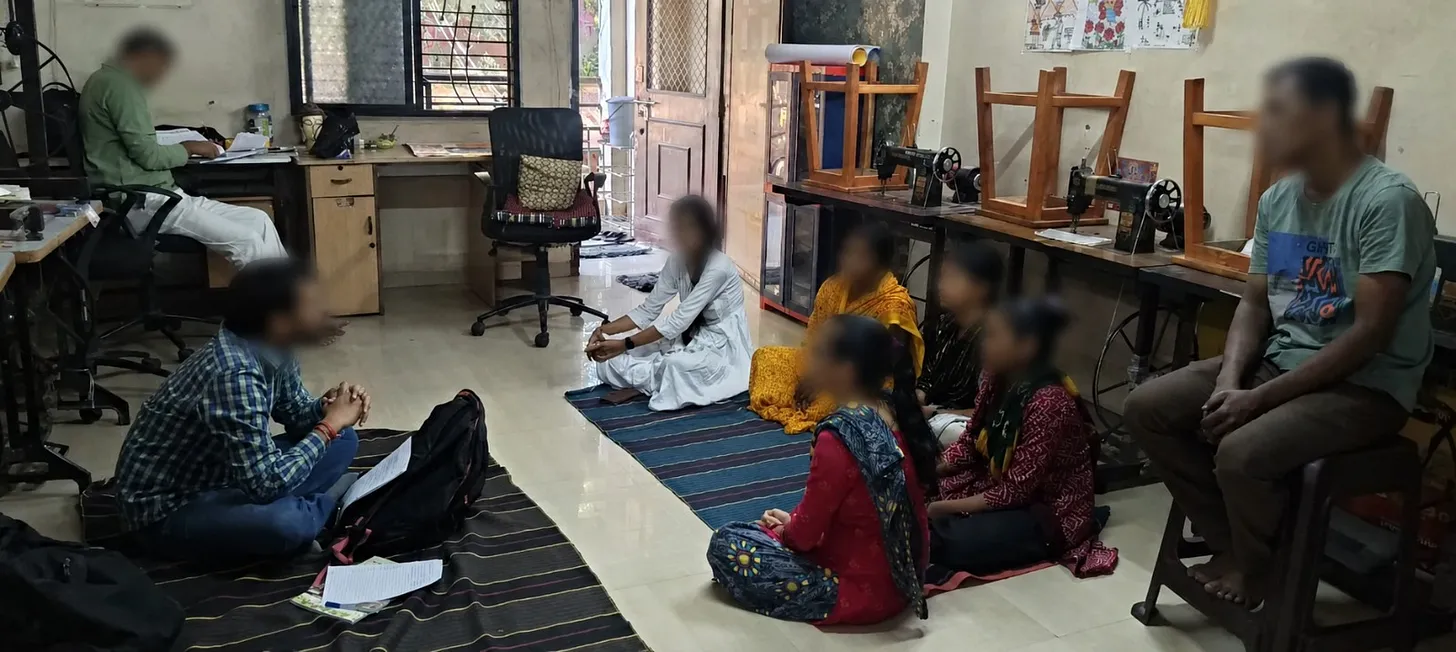
We realised that even when research is well-intentioned, the way we design tools, ask questions, and conduct interviews can unintentionally cause harm. Asking someone to revisit experiences of stress, exploitation, or vulnerability is not a simple act. It carries weight.
And this is where a trauma-informed approach becomes important.
At its core, it is about recognising that participants may be carrying difficult experiences, and that research interactions can trigger or deepen that distress if not handled carefully. It shifts the focus from just getting information to how we engage with people while doing so.
In practice, this means rethinking the entire research process. From how tools are designed, to how interviews and focus group discussions are conducted, to how findings are eventually shared. It means being mindful of language, avoiding unnecessary probing, noticing discomfort, and ensuring that participation is genuinely voluntary, not just on paper.
It also means recognising the power imbalance between researcher and participant, and making conscious efforts to reduce it.
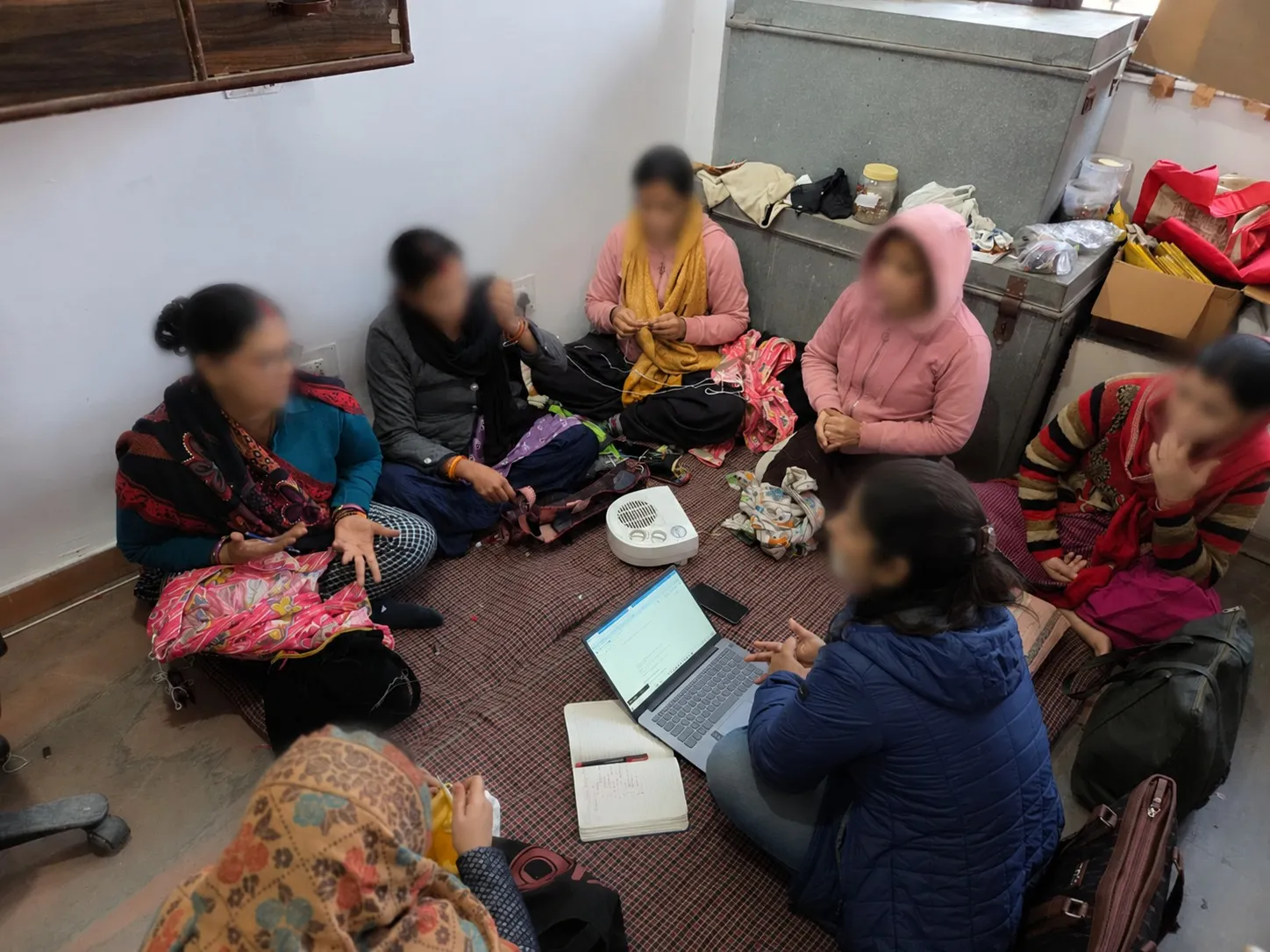
Importantly, this approach is not only about participants. It also extends to researchers and field teams, who often engage closely with difficult narratives. Without adequate support, they too can experience emotional strain or secondary trauma.
Despite all this, trauma-informed practice is still not a standard part of research in India. Most ethical protocols stop at consent forms and confidentiality. But clearly, that is not enough.
If anything, the growing fatigue and hesitation among communities should be a signal for us to rethink how we are doing research.
As the development sector continues to expand, there is a need to move beyond extractive approaches and build practices that are more respectful, careful, and accountable. Trauma-informed research should not be seen as an optional add-on. It needs to become part of the standard way we design and conduct studies, especially when working with marginalized communities.
We believe there is also space for more organisations and research teams to build capacity in this area. We would be glad to support teams interested in integrating trauma-informed approaches into their work, and are open to connecting with those who wish to explore this further.
Because at the end of the day, research is not just about data.
It is about people.
The Analysis is a social impact consulting group based out of Bhopal, Madhya Pradesh.
TA is a Bhopal-based policy and development consulting group. We are on a mission to make the development space more inclusive and democratic for students and professionals. Join us on this mission.